
It’s been a while, but like Lazarus or Michael Bay’s Transformers movies, it’s only a matter of time before I return. This time it’s with another kit review. Today we’re going to look at the Bru Travel cup. Is it the perfect insulated mug for those who don’t want the taste of plastic or metal flavouring their coffee? Let’s take a look and see!
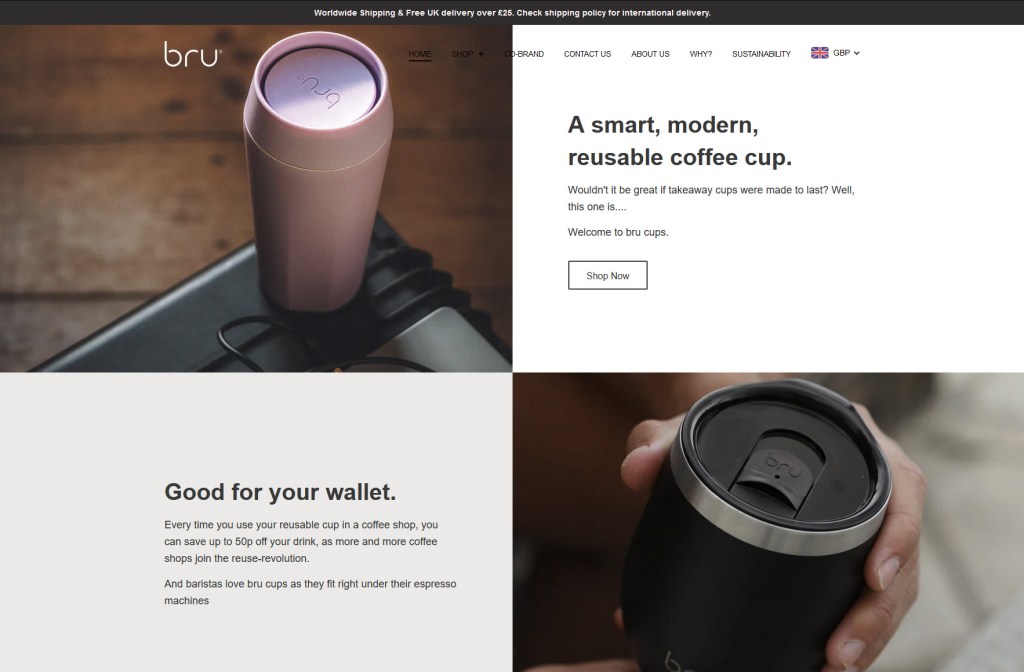
I first encountered the Bru cup on Kickstarter when they launched their campaign just over two years ago, in April of 2021, but it’s now available to order through their website at bru-cups.com. This wasn’t Yasmina or Ashley’s first rodeo when it came to making cups either. In 2018 they launched the original Bru Cup which is a rather nice looking little thing, though I think more designed for use around the home or office rather than truly out and about. It’s got a more traditional stainless steel interior, and it’s a mite too portly to fit into a car cupholder. On top of that the lid is decidedly not leak proof.
I’ve previously looked at the Sttoke cup on this site. It’s a lovely little thing, and one I still use to this day, but there’s no denying that it is definitely on the petite side. The one I own is a svelte 8oz, which is enough for a nice, strong little coffee, but I wanted something bigger while still retaining that ceramic inner. I shopped around for ages trying to find something to replace it, but all I found was stainless steel cups.
And then the Bru Kickstarter launched and I was quick to sign up! It seemed like it ticked all the boxes. Bigger cup, leak-proof lid, and that ceramic inner. Perfect! But then the waiting began. And it went on…and on…and on. It has, in fact, taken almost exactly two years from backing the cup to it arriving in my grubby mitts. Was it worth the wait?
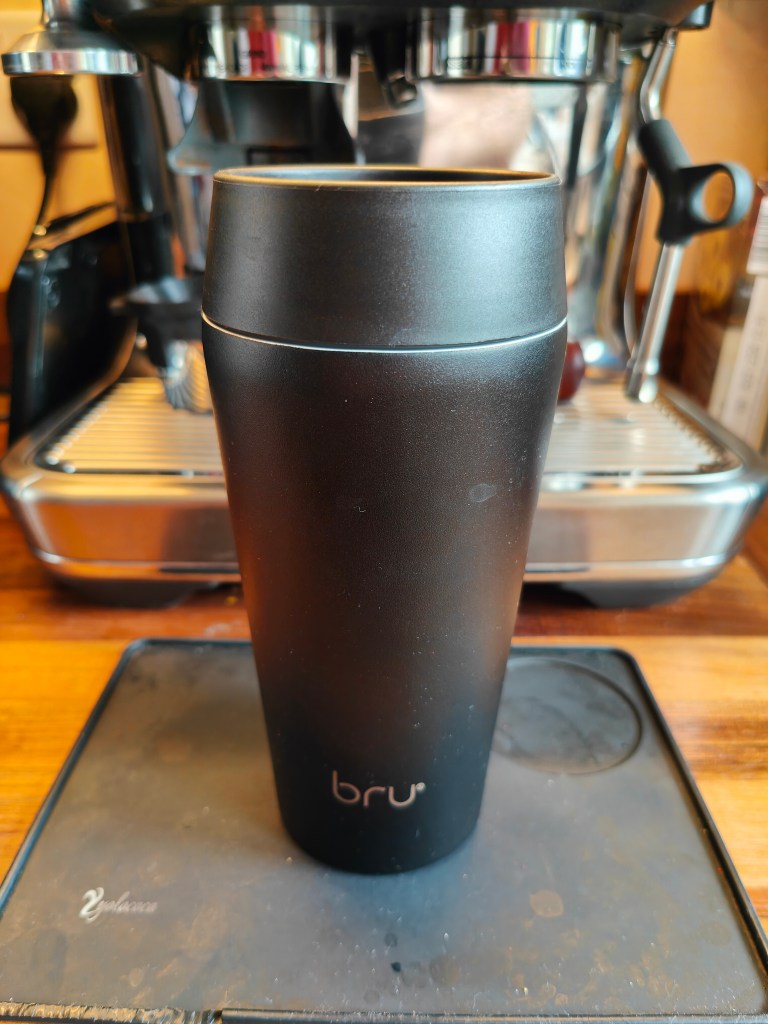
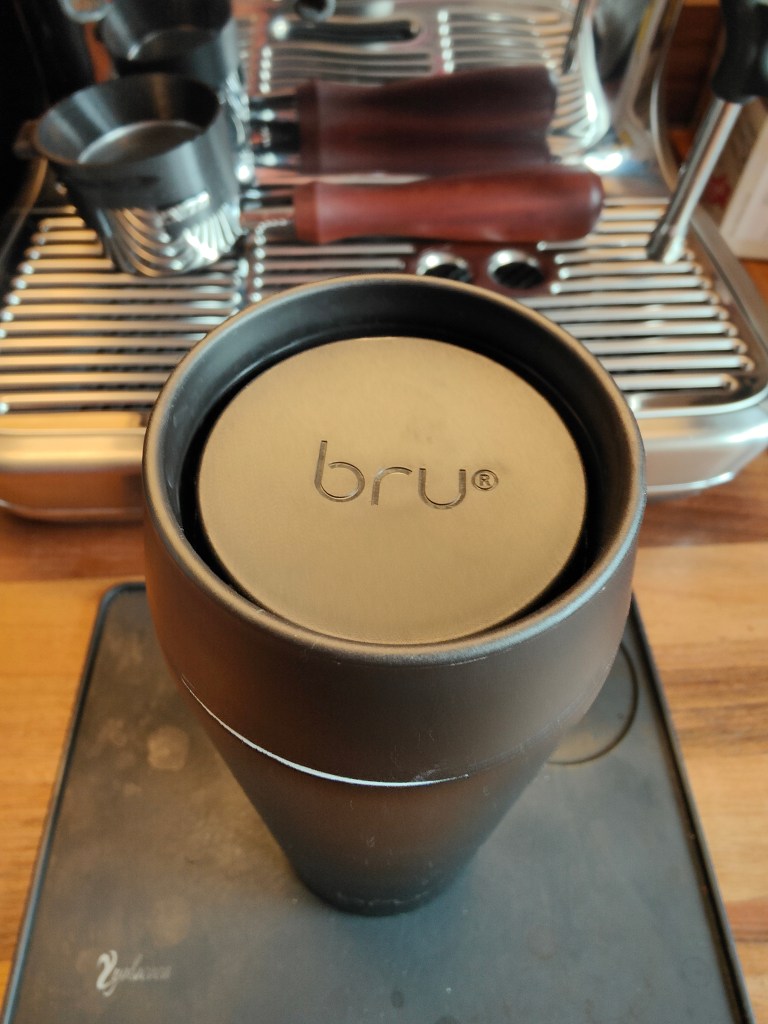
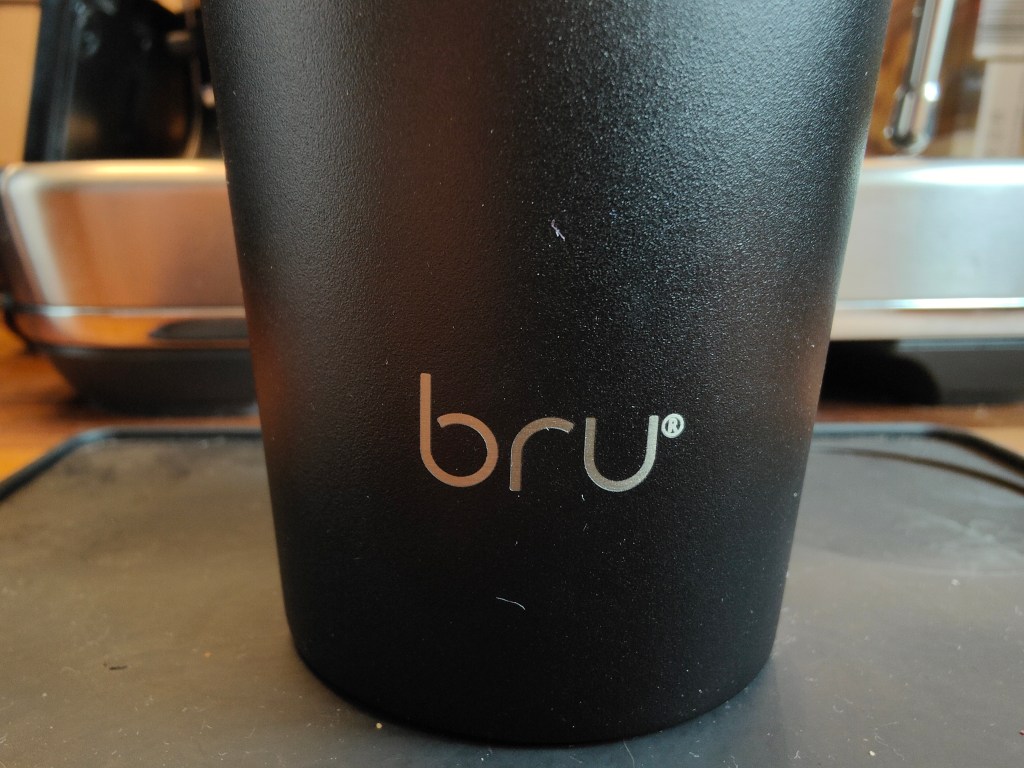
Initial impressions were positive. It’s a chunky thing, but not heavy. It feels solid and well made, the paint nicely textured to make it feel grippy in the hand. The lid opens and closes with a reassuringly loud click, and when you screw the lid down it fits snugly.
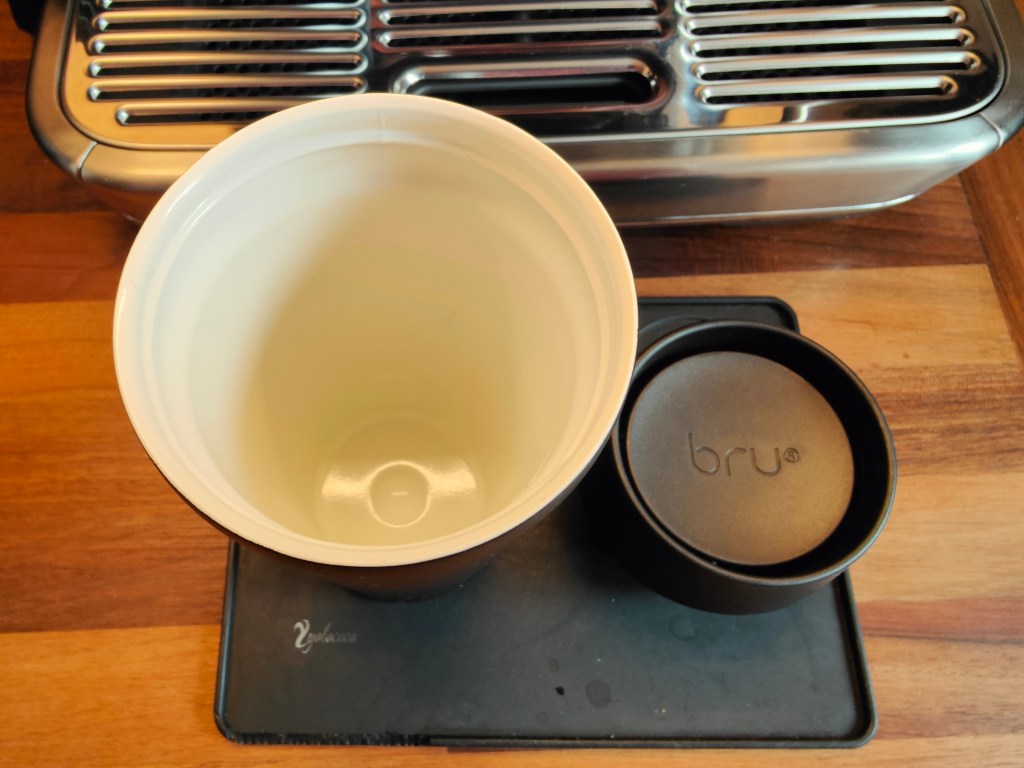
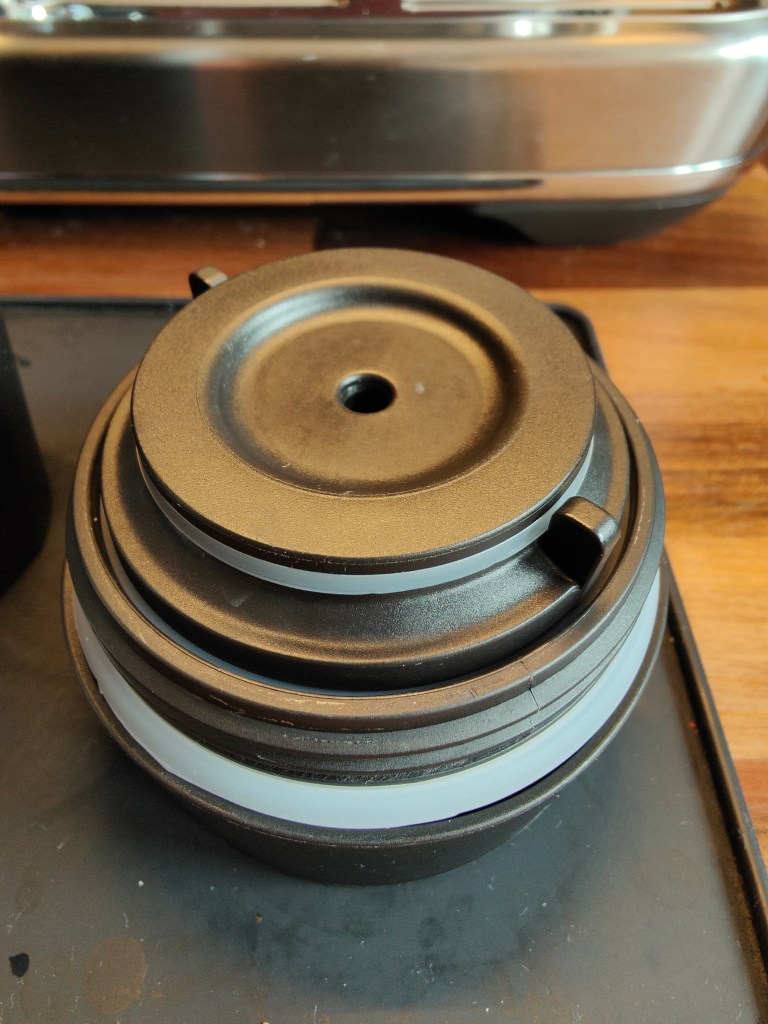
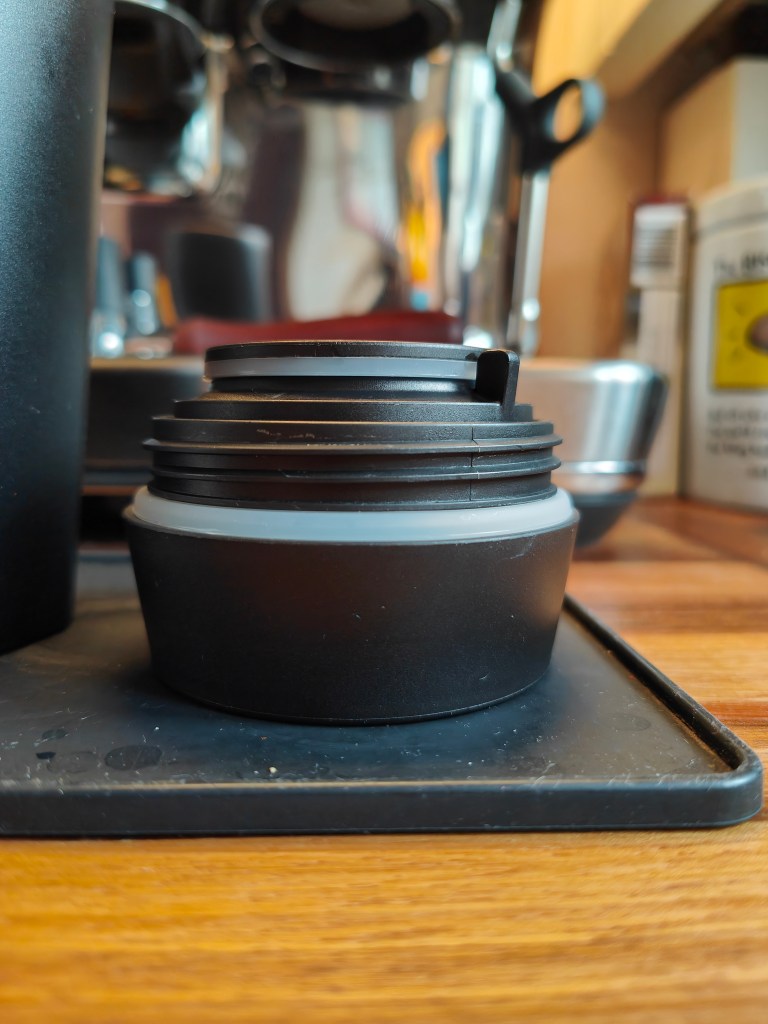
The inside is perfect, the ceramic coating not showing any defects or chip, and the lid is an impressively complicated piece of engineering that can be fully disassembled for cleaning as well. Straight out of the box it feels like a very well put together thing.
By now I imagine some of you are waiting for me to drop a “But….” into this review. And there is one. Kind of. But it’s not the cups’ fault, it’s my fault for not taking the time to RTFM. Or WTFV? Basically, when I first tried the cup, it leaked. Not massively, but it was a definite and steady stream of escaping liquid when you tilted the cup over. To say I was disappointed after waiting two years would be an understatement.
But wait! I had neglected to look at the enclosed leaflet, that quite firmly suggests you watch videos associated with the cup “to maximise your cup’s potential”. I think maybe they should change the wording slightly to make it very clear that you NEED to watch the videos before you use the cup or else you might end up making a twit of yourself by complaining that the lid leaks.
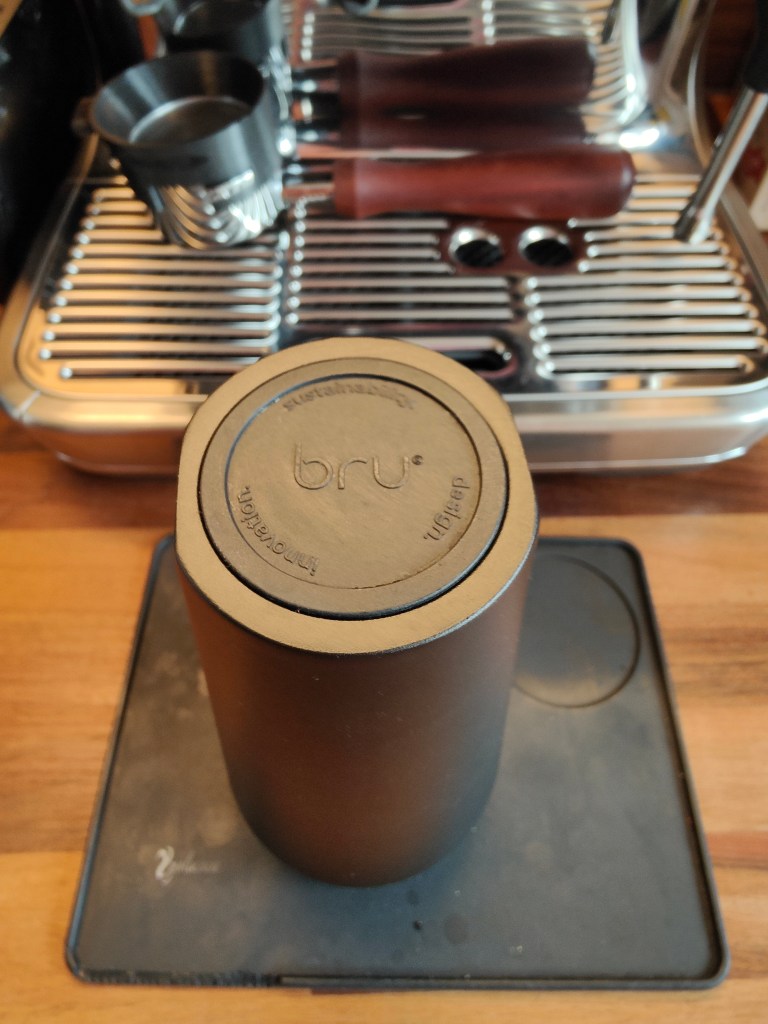
See that middle picture there of the underside of the lid? Notice how it has those two little ears that stick out? Those aren’t just for looks or to make it resemble some sort of ringed planet to amuse the more astronomically minded among us. Remember how I said that the lid can be completely taken apart? Well, those are to make sure that you can tighten it all the way up when you put everything back together!
One quarter twist later and boom, my lid sealed properly and all was right with the world. Not a single dribble escapes my cup even if I turn it upside down and shake it vigorously. All you need to do is check that the seal is nice and tight each time you’re getting ready to use it or after you’ve washed it and you’ll be golden.
So it looks good. Feels good. It’s leak-proof, but what about insulation? How well does it retain heat? In fact, how does it compare to a mug from a well known company like Contigo? Well don’t you worry, we did some SCIENCE to be able to give you the answer.

We took my Bru cup and put it against the Byron from Contigo. Both were filled with not-quite-boiling water from the kettle and we tracked how well they did over the next two hours using my digital thermometer. While the difference after the first half an hour was quite noticeable, after that the two of them were virtually neck and neck and by the end of the two hours, they were both giving the exact same temperature reading. Bru claim they’ll keep your drink hot for up to three hours and I’ve got no reason to dispute that after this test.
What about cost? Prices for the Bru range from £23 for the 8oz to £27 for the 16oz. That’s more expensive than some, certainly, but it’s definitely not extortionate. The Stokke cups, for instance, currently range from around £18 for the 8oz to £22 for the 12oz. The Bru costs a little more, but I think it’s a better product if you’re looking for a mug for out and about.
Stainless steel travel mugs are certain much cheaper, with the 12oz Byron available for about £15. But if you’re happy with a steel mug you likely won’t want to pay more for a ceramic one to begin with!
The Bru’s road to completion was a rocky one, with highs and lows, as often is the story with a Kickstarter product, but the end result is one that I am very happy with, and more than happy to encourage you to go out and buy if you’re in the market for a ceramic-lined travel mug. It’s more robust than a glass one like a Keepcup, it’ll keep the heat in as well as a stainless steel one, and you’ll be doing your bit to reduce landfill and support a company that is out to try and help the environment in a small way and they even donate 1% of their gross sales to One Percent for the Planet to help support environmental causes worldwide.
Thanks for reading and TTFN!
















 The Proto Coffee Snob